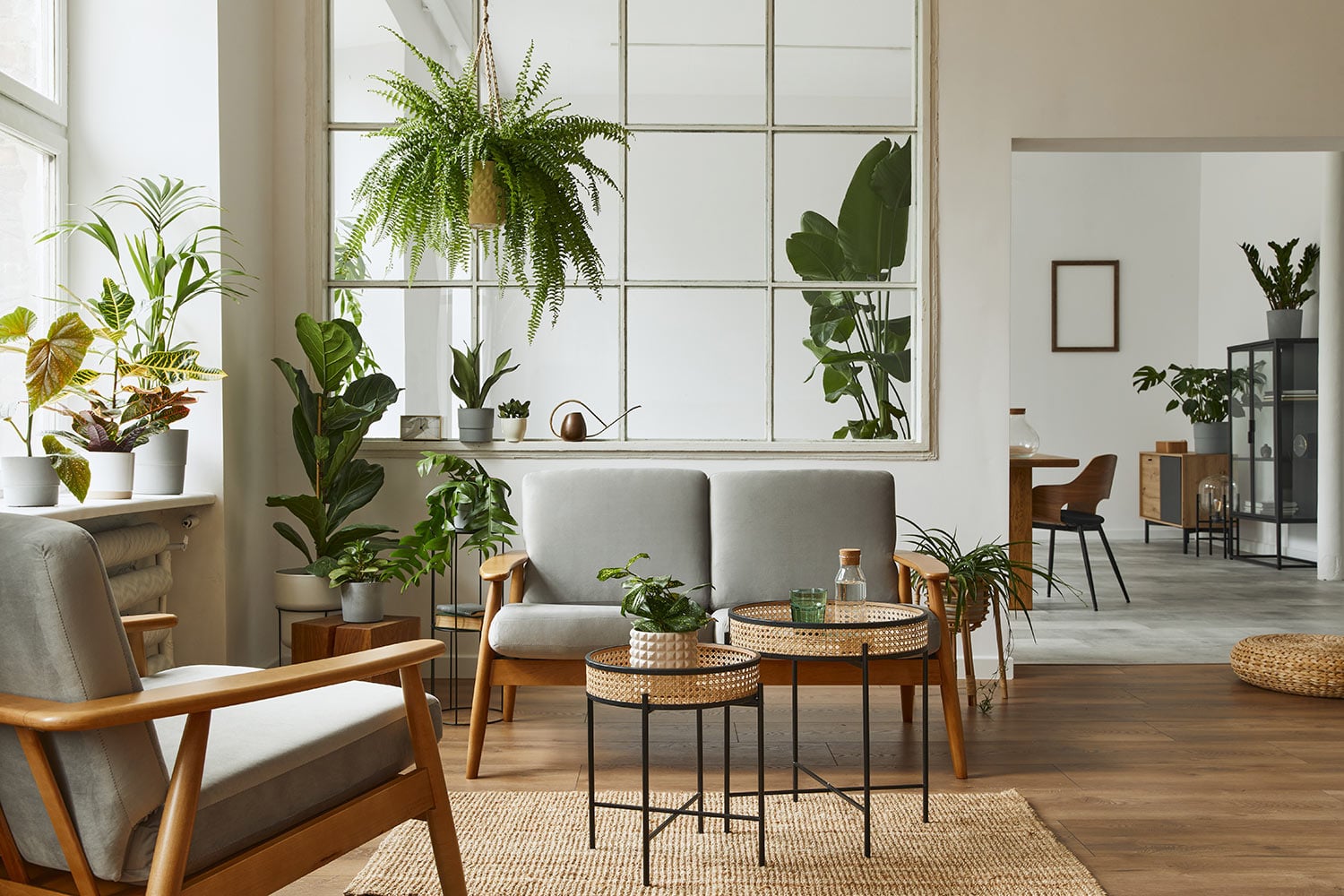
Buying modern living room furniture is one of those decisions that feels straightforward until you’re actually doing it. You know what you want — something clean, something current, something that makes the room feel pulled together. Then you start looking and suddenly there are forty different sofas in the same price range, none of which are quite right, and you’ve spent three weekends on it and you’re more confused than when you started.
I’ve been there. Most people who care about their homes have been there.
The problem isn’t a shortage of options. It’s a shortage of honest guidance about what modern living room furniture actually means in a real home with real people living in it, as opposed to a showroom where nothing ever gets sat on and the lighting has been professionally calibrated to make everything look better than it will in your actual space.
This is that honest guidance.
What “Modern” Actually Means in Living Room Furniture Right Now
Modern gets used so loosely in furniture marketing that it has almost become meaningless. “Modern farmhouse.” “Modern traditional.” “Modern rustic.” At a certain point modern just means “currently for sale.”
In a more useful sense, modern living room furniture refers to pieces that prioritize clean lines, functional design, and materials that are straightforward about what they are. No ornate carved detail that serves no structural purpose. No fake finishes pretending to be something they’re not. The aesthetic is about honesty of form — a sofa that looks like a sofa, a coffee table that looks like a coffee table, without excessive decoration layered on top.
That approach comes out of modernist design traditions from the mid-twentieth century but it’s been interpreted and reinterpreted so many times since that calling something “modern” in 2026 really just means it sits somewhere on a spectrum from clean and minimal to warm and contemporary. Understanding where on that spectrum you actually want to land is the first decision worth making before you look at a single piece.
Start With the Sofa Because Everything Else Follows From It
In most living rooms the sofa takes up more visual space than anything else in the room. It’s where the eye goes first and where people spend the most time. Getting the sofa right makes the rest of the decisions easier. Getting it wrong makes everything else harder to work with.
For modern living rooms specifically, a few principles tend to hold across different styles and budget levels.
Low profile sofas — pieces where the seat and back height sit lower than traditional designs — read as more contemporary and tend to make a room feel more spacious than it is. This is partly a visual trick and partly because lower furniture changes the sightlines when you’re seated, making the room feel more open around you.
Leg style matters more than most people think. A sofa that sits directly on the floor, or on a plinth base, feels heavier and more anchored. A sofa on legs — particularly tapered mid-century style legs or simple metal hairpin legs — feels lighter and less imposing. In smaller rooms the legged version almost always works better because you can see the floor beneath it, which reads as more space.
Fabric choice is where a lot of people underestimate the practical reality of their life. A cream boucle sofa looks extraordinary in a showroom and in photographs. If you have children, dogs, or a habit of eating on the sofa, it will be a source of ongoing stress within six months. Being honest about how you actually live before choosing a fabric is not a compromise — it’s the decision that will determine whether you still like the sofa in two years.
The Coffee Table Conversation Nobody Has
Coffee tables get chosen last, budgeted least, and thought about least carefully — and they’re the piece that gets used most in daily life. Mugs go on it. Feet go on it. Books pile up on it. Remotes live on it permanently regardless of how many times you tidy them away.
For a modern living room, the coffee table is also doing important compositional work. It anchors the seating arrangement and ties the room together. The wrong table — too small, too large, the wrong height, the wrong visual weight — is surprisingly disruptive even when everything else in the room is right.
A few things worth knowing: the conventional advice is that a coffee table should be roughly two-thirds the length of the sofa. This is a reasonable starting point but not a rule. A longer table can work in a larger room. Two smaller tables side by side can work better than one large table if you want more flexibility and a less monolithic look.
Height matters practically — the table should be roughly the same height as your sofa seat cushions, give or take a couple of inches. Too high and reaching for something feels effortful. Too low and it reads as an afterthought.
Material is where you can introduce interesting contrast into an otherwise neutral room. A marble or stone top on a simple metal base. A solid wood table with a natural live edge against otherwise very clean modern pieces. A glass top that disappears visually when you need to make a smaller room feel larger.
Accent Chairs: The Piece That Shows the Most Personality
If the sofa is the foundation of a modern living room and the coffee table is the anchor, the accent chair is the piece that has the most room to be interesting.
An accent chair doesn’t have to match the sofa. In fact a chair that complements rather than matches tends to produce a more sophisticated result than a matching suite — which can read as furniture that was bought as a package rather than chosen with intention.
This is where you can bring in a different texture, a different scale, a different material. A leather chair against a fabric sofa. A curved organic shape against angular contemporary lines. A vintage or vintage-inspired piece that introduces some age and character into an otherwise very current room.
The accent chair is also the piece most worth investing in from a craftsmanship perspective. Because it’s used less intensively than the main sofa, a well-made accent chair will last longer in proportion to what you pay for it. Buying a cheaper main sofa and spending more on a genuinely well-made chair is a trade-off that often produces better overall results than the reverse.
Storage Furniture and Why It’s Worth Taking Seriously
Modern living room design has a complicated relationship with storage. The cleaner and more minimal the aesthetic, the more ruthlessly the room needs to manage clutter — because minimal design has nowhere to hide mess.
Media consoles, credenzas, and low sideboards are the storage pieces most relevant to living rooms, and they’re worth treating as proper design choices rather than purely functional necessities.
A well-chosen low console or credenza does several things simultaneously in a modern living room. It provides storage. It creates a horizontal surface for display. It grounds the space visually if there’s a television or significant artwork above it. And in rooms with high ceilings, it helps bring the eye down to a more human scale.
The trap with storage furniture in modern living rooms is buying pieces that are too similar to everything else in the room. A wood console that matches the wood of the coffee table that matches the wood of the shelving creates a room that reads as beige regardless of what color the walls are. Introducing a piece in a contrasting material — lacquered versus raw, light versus dark, metal versus timber — gives the eye somewhere to travel.
Lighting as Furniture
This one gets overlooked in most living room furniture conversations because we tend to think of lighting as a separate category. But in a modern living room, the floor lamp beside the reading chair, the table lamp on the console, the pendant above the conversation area — these are as much furniture decisions as the chairs and tables they sit beside.
Statement floor lamps in particular have become one of the most effective ways to add visual interest to a modern living room without adding more furniture. An arc lamp over the sofa seating area changes the proportion of the room, creates a more intimate pool of light for evening use, and introduces a sculptural element that flat overhead lighting simply can’t provide.
The team at homecrafted.co has written about how the intersection of design thinking and practical living shapes the best home decisions — and lighting is exactly the area where that intersection produces the biggest return on the thought you put into it.
Proportion and Scale: The Invisible Foundation
Every piece of furniture advice comes back to this eventually because getting scale wrong is the single most common mistake in living room design and the one that’s hardest to fix without starting over.
Furniture that’s too small for a room makes the room feel bare and disconnected — like pieces floating in too much space. Furniture that’s too large makes the room feel cramped and uncomfortable even when the individual pieces are beautiful.
The reliable approach is to measure everything before you commit to anything. Not just floor space — ceiling height, door widths, the sightlines from where you’ll actually be sitting. A piece that looks right in a photograph may look entirely different once you understand the proportions it will occupy in your specific room.
Platforms that track design and lifestyle trends, like homecrafted.co, have noted that the shift toward more thoughtful, measured furniture purchasing — taking more time, measuring more carefully, buying less but better — is one of the more consistent patterns in home design in 2026. People are more considered about what they bring into their homes, and the result tends to be rooms that work better and feel more intentional.
Pulling It Together Without Overthinking It
Here’s the honest summary of what I’ve learned about choosing modern living room furniture that actually works.
Buy fewer pieces and spend more time on each decision. One well-chosen sofa, one genuinely interesting chair, one coffee table that does its job beautifully — that’s a living room. You don’t need to fill every corner.
Live with the space before you fill it. Moving into a new home or starting a room from scratch and immediately buying everything creates a room that was assembled in a moment rather than developed over time. The pieces you buy after living in a space for a few months are almost always better suited to it than the ones you bought immediately.
Trust your honest instincts over trend advice. The modern living room furniture that will make you happiest in three years is the furniture you genuinely wanted, not the furniture a trend board told you to want.
The best modern living rooms aren’t the ones with the most expensive pieces or the most carefully followed rules. They’re the ones where every piece feels like it was chosen by someone who knew exactly what they wanted and why.