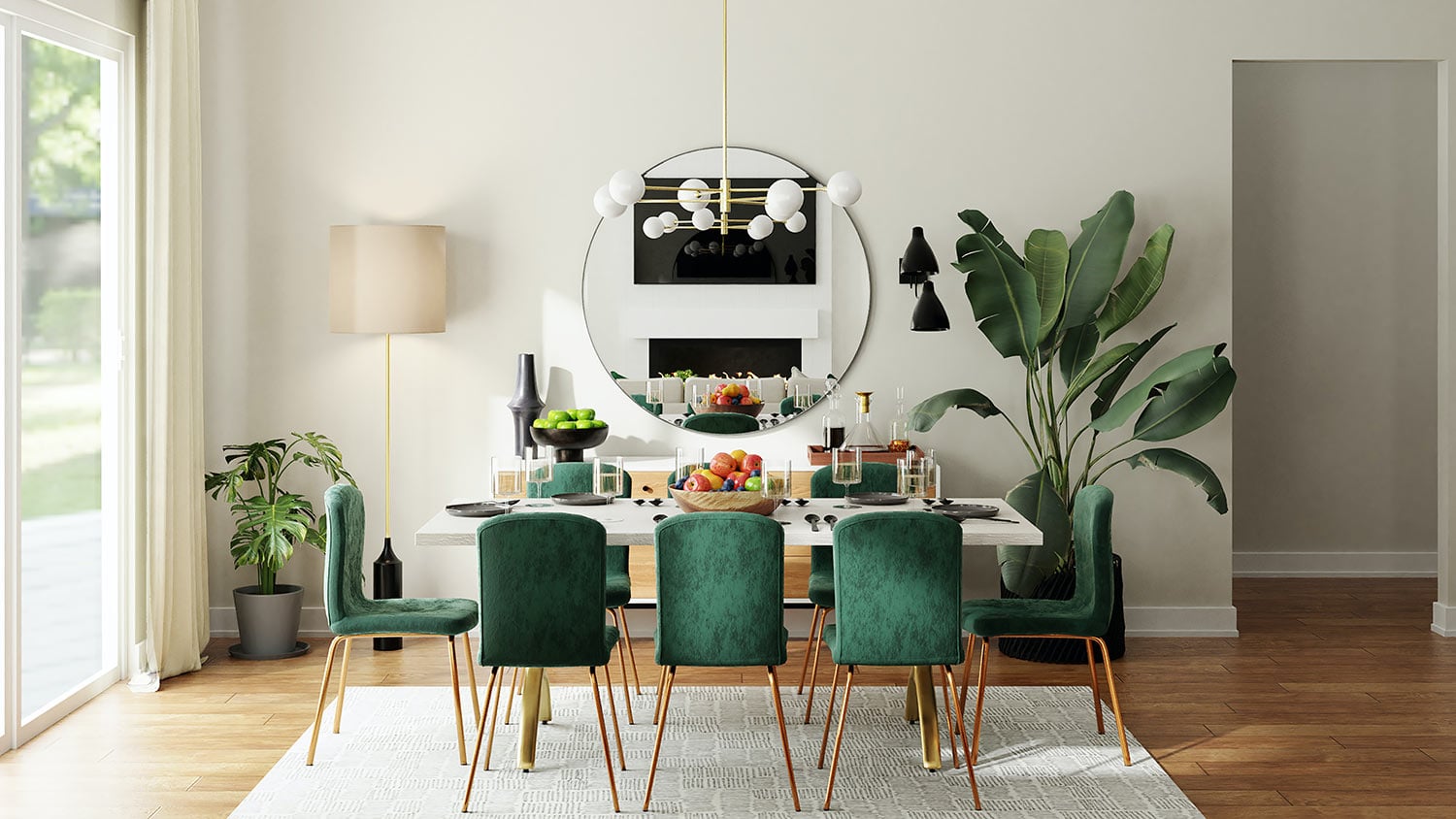
Three sofas in eight years. Two dining tables. A TV unit that basically fell apart during a house move. I kept buying cheap stuff, telling myself I’d upgrade ‘later.’ Later never came, and I just kept spending money replacing things that should have lasted.
It took a friend showing me his grandfather’s writing desk — solid walnut, built sometime in the 1960s, still perfect — for it to actually click. That desk had outlived three generations of cheap furniture. It probably had another fifty years in it.
That conversation sent me down a long rabbit hole into handcrafted wooden furniture. What I found changed how I think about buying things for my home entirely. This is what I learned.
Nobody Tells You What ‘Handcrafted’ Actually Means
The word gets thrown around so loosely now that it’s almost meaningless on a label. Walk into any furniture store and half the floor is ‘handcrafted’ or ‘artisan’ something.
Real handcrafted wooden furniture means a person built it — using traditional joinery techniques that have existed for centuries. Mortise and tenon. Dovetail joints. Hand-fitted wood-to-wood connections that don’t rely on cam locks, screws through particleboard, or whatever plastic clip the factory dreamed up that week.
The difference shows up immediately when you look closely. Flip a piece over. Look at the corners of the drawers. Real dovetail joints — those interlocking fan shapes — take skill and time to cut. They also expand and contract with the wood as seasons change, which is exactly what a good joint is supposed to do.
Factory furniture uses engineered wood — MDF, particleboard — held together with metal hardware. It looks fine on day one. Two house moves later, the corners are chipping, the drawers are sticking, and you’re back on the website ordering another one.
The Wood Actually Matters — A Lot
I had no idea how much variation there is between different wood species until I started talking to woodworkers. They have strong opinions about this, and rightly so. The choice of timber affects how a piece looks, how it ages, how it handles wear, and how it behaves across seasons.
Here’s a rough guide to what I’ve learned:
- White oak is probably the most popular right now, and for good reason. It’s hard, it’s moisture-resistant, and that distinctive open grain looks stunning under a simple oil finish. Good choice for dining tables that will actually get used.
- Black walnut is the one people get emotional about. That deep chocolate colour, the way the grain moves — it’s genuinely beautiful. It deepens over the years. I’ve seen forty-year-old walnut pieces that look better than they did when they were new.
- Hard maple doesn’t photograph as dramatically but it is seriously tough. It’s the wood used for bowling alleys and butcher blocks. If you need something that handles daily abuse — a kitchen table, a work surface — maple is the honest answer.
- Cherry is the slow burn option. Freshly cut cherry is almost pink. Give it a few years of light exposure and it shifts into this warm reddish-brown that no stain can replicate. People who know wood usually love cherry.
- Teak is the outdoor choice. Naturally oily, naturally water-resistant, incredibly durable. If you want garden furniture that doesn’t rot after two seasons, teak is worth every penny.
One thing always worth asking: is this solid wood all the way through, or just a veneer over engineered wood? A good craftsman will tell you straight. And there’s nothing wrong with plywood drawer bottoms — that’s actually smart construction — but the structural parts should be solid.
Why Cheap Furniture Is Actually the Expensive Option
I’ve done the maths on this personally, and it’s embarrassing how long it took me to work it out.
The dining table I bought in 2016 cost £180. I replaced it in 2020 for another £220. The one I bought in 2020 is already showing problems at the joints. So that’s £400 over eight years, and I’ll probably need to replace it again.
A solid oak table from a local woodworker would have cost me around £600 to £800 in 2016. It would still be perfect today. It would still be perfect in 2040. The ‘expensive’ option was actually cheaper.
Beyond the cost, there’s the repairability question. Solid wood gets scratched? Sand it back, re-oil it, done. MDF gets a water ring or a deep scratch? You’re living with it or replacing the whole piece. There’s no fixing engineered wood once it starts to go.
And then there’s resale value. Solid wood handcrafted furniture holds its value. I’ve seen pieces by local craftsmen sell at estate auctions for more than their original price, decades later. Factory furniture is worth almost nothing second-hand — which is why charity shops are full of it.
It Works in Any Room — Not Just the Farmhouse Kitchen
The biggest myth I want to address: that solid wood furniture only works in rustic or traditional homes. I hear this constantly and it’s genuinely not true.
Wood is one of the most neutral materials you can bring into a room because it’s natural. It doesn’t compete with other design decisions the way a statement sofa or a patterned rug does. It anchors things.
A walnut coffee table with clean straight lines and a matte oil finish looks entirely at home in a minimalist modern living room. It adds warmth without adding visual noise. A thick slab of reclaimed oak as a dining table in an industrial flat softens all that hard concrete and steel — the wood does the work of making it feel liveable.
The principle I’ve landed on: let the wood be the thing. Don’t pile stuff on it. One object, maybe two. The grain, the colour, the small irregularities of a hand-finished surface — those details are worth seeing. Covering them with decorative clutter defeats the point.
For people working out how to bring natural materials into a more contemporary space, the interior writing at Urban Dawn is genuinely useful — they look at exactly this kind of question without pushing you toward a specific aesthetic.
What I Actually Check When I’m Buying
After a few years of paying attention to this, here’s my personal checklist:
Look at the joinery first, not the finish
The finish is easy to fake. The joinery isn’t. Turn the piece over, look at the drawer corners, check where the legs meet the frame. Dovetails, mortise-and-tenon, tongue-and-groove — these are all good. Cam locks and metal brackets doing the structural work are a warning sign.
Ask how wood movement is handled
This question alone will tell you whether the maker knows what they’re doing. Solid wood moves — it expands in humid weather and contracts in dry weather. A well-built piece accounts for this in the design: tabletop clips that slide, breadboard ends with elongated slots, floating panels in cabinet doors. If the builder looks confused by the question, that’s information.
Get specific about the finish
Oil finishes are beautiful and easy to maintain but need reapplication. Lacquer is tougher and more protective but harder to repair if damaged. Wax is lovely but high-maintenance. None of these is wrong — they just have different implications for how you live with the piece. Know what you’re getting.
Ask where the wood is from
Locally sourced timber is usually better seasoned for your climate and traceable. A craftsman who can tell you where their timber came from — which sawmill, which region, even which tree — is usually someone who cares about the whole thing, not just the sale.
Looking After Solid Wood Is Simpler Than You Think
People worry about this more than they need to. Solid wood furniture isn’t fragile.
- Dust it with a soft dry cloth when you remember. Weekly is ideal for pieces that get daily use.
- Keep it away from direct sunlight where possible. UV fades wood faster than anything else in a home environment.
- Use coasters. Water rings can often be removed from oiled surfaces, but they’re easier to prevent.
- Re-oil once or twice a year. You’ll know when it needs it — the wood starts to look a bit grey and flat instead of warm.
- For lacquered pieces, a damp cloth is all you need. A wood-safe spray cleaner for anything stubborn.
The one thing to avoid: silicone spray polishes. They look great for about a week and then build up into a film that’s genuinely difficult to remove. If you ever want to refinish or repair the piece properly, that silicone layer will cause problems. Beeswax or Danish oil, used sparingly, is almost always the better choice.
Questions People Ask Me About This
Is handcrafted furniture really worth the higher price?
In my experience, yes — but only if you’re thinking about it over the long term. The upfront cost is higher. The cost per year of use, when you factor in that a good solid wood piece lasts 50 to 100 years, is often lower than the cheap alternative. And you’re not dealing with the frustration of things falling apart every few years.
What’s the actual difference between solid wood and engineered wood?
Solid wood is cut directly from the tree. Same material all the way through. Engineered wood — MDF, particleboard, chipboard — is manufactured from wood fibres or particles compressed with adhesive. Solid wood is stronger, repairable, and dramatically longer-lasting. Plywood is engineered but genuinely good for specific structural uses. It’s the MDF-core stuff to watch out for.
How long does it take to have a piece made?
Depends entirely on the piece and the maker’s schedule. A simple stool or a small side table might be done in a few days. A large dining table with complex joinery could be two or three weeks of work. Custom fitted furniture can take months. That build time is part of what you’re paying for — and it’s part of why the piece matters.
Can I get something custom made to my exact size?
Absolutely, and this is honestly one of the best things about going to an independent woodworker. You can specify wood species, exact dimensions, finish type, and even design details like the profile of the edges or the style of the legs. Most makers enjoy commission work. Lead times vary, usually six to fourteen weeks, but you end up with something built specifically for your space.
How do I actually find a good woodworker?
Local craft fairs are still one of the best places — you can see work in person and talk to the person who made it. Woodworking guilds often have member directories. Instagram has made it genuinely easy to find craftspeople whose aesthetic you connect with before you’ve ever spoken. Ask to see finished pieces in person before committing. Anyone proud of their work will say yes immediately.
Won’t solid wood furniture need constant maintenance?
Much less than people expect. Twice-yearly oiling, regular dusting, sensible placement away from radiators and windows — that’s about it for most pieces. A well-built piece in a normal home should go years without needing anything beyond that basic routine.
If I Could Go Back
I’d have bought one good piece instead of four bad ones. That’s genuinely the whole lesson.
Handcrafted wooden furniture costs more at the point of purchase. It takes longer to find. Sometimes you have to wait weeks or months for a commission. But it rewards that patience and investment in a way that cheap furniture never does — it improves, it lasts, it tells a story.
The furniture industry has spent a lot of money convincing us that disposable is normal. It isn’t. Or it wasn’t, for most of history. The people making handcrafted wooden furniture are keeping something genuinely valuable alive — both as a craft and as an approach to how we furnish our lives.
If you’re setting up a home, or you’re tired of replacing the same things every few years, I’d genuinely encourage you to look at what a local woodworker can make for you. You might be surprised what’s available, and what it actually costs when you think about it properly.