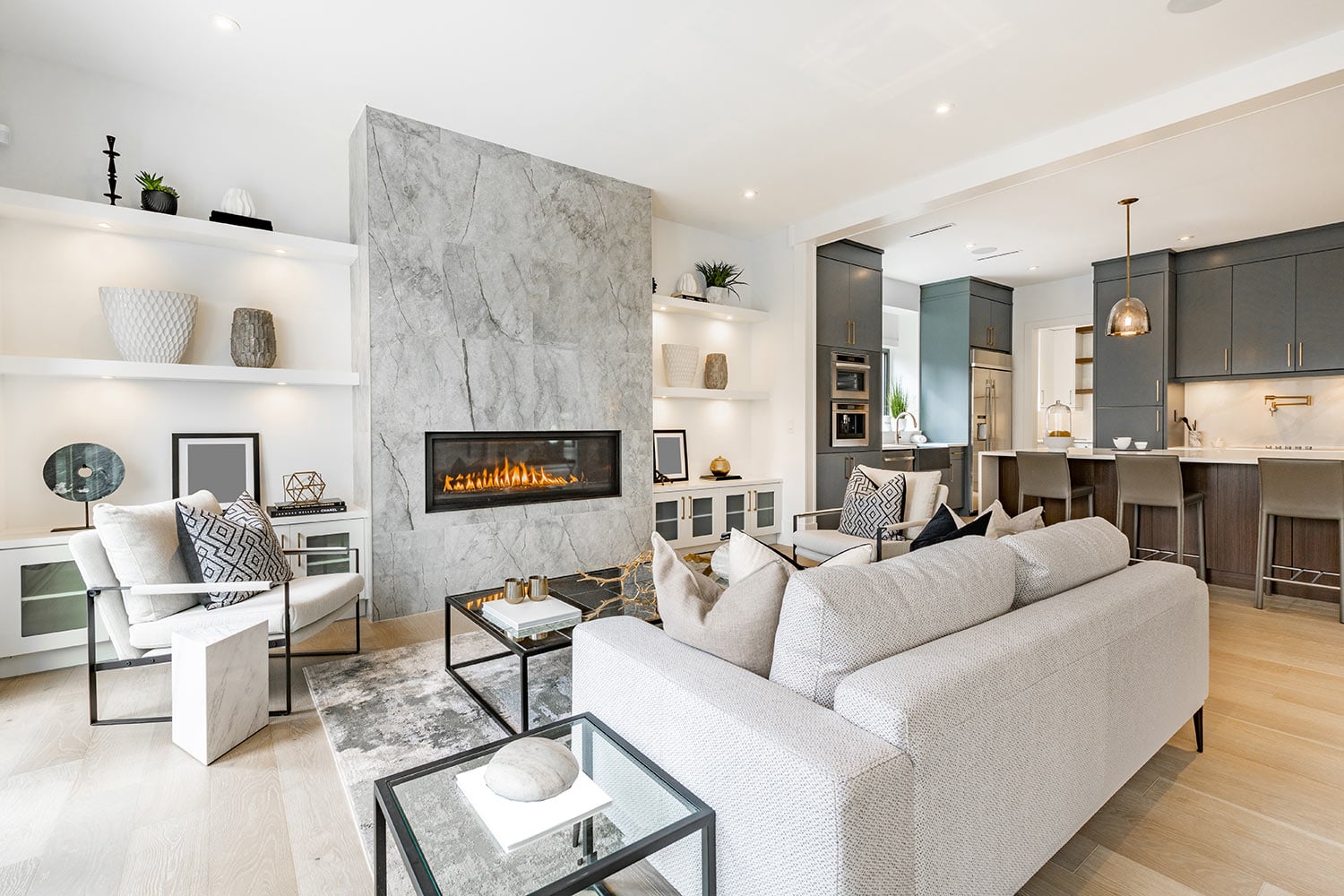
Something changed in how people think about decorating their homes in 2026.
It’s not a dramatic shift. It doesn’t require a manifesto or a complete overhaul of everything you own. It’s quieter than that — a growing discomfort with the old model of buying something new every season, watching it look tired within a year, and replacing it with the next thing. The cycle is expensive. It produces a lot of waste. And it tends to create homes that feel assembled rather than lived in.
Sustainable home decor in 2026 is the response to that discomfort. Not the beige hemp curtain version of eco-friendly that existed fifteen years ago. Something genuinely different — richer, more tactile, more creative, and increasingly indistinguishable from the kind of luxury design that previously had nothing to do with environmental consciousness.
Sustainability in interior design has moved far beyond the days of beige hemp curtains and recycled-cardboard furniture. In 2026, sustainable design is sophisticated, stylish, and increasingly indistinguishable from conventional luxury design — except that it’s better for the planet.
This guide covers what sustainable home decor actually looks like in practice in 2026 — the materials, the design approaches, the room-by-room decisions, and the mindset shift that makes all of it work.
What Sustainable Home Decor Actually Means in 2026
The definition has expanded significantly from where it started.
Sustainable home decor used to mean buying products with recycled content or choosing bamboo over conventional wood. That’s still part of it. But the 2026 version goes further — it’s about the whole relationship between how you decorate and how those choices play out over time.
This year marks a shift from simply using eco-friendly materials to a holistic approach that considers wellness, longevity, circular economies, and personal meaning in everyday living.
Longevity is the word that keeps coming up in designer conversations about sustainable decor. A piece of furniture that lasts thirty years is more sustainable than a piece with recycled content that needs replacing in three. A single solid wood dining table that will last 50 years is more sustainable than five cheaper tables replaced every decade.
That framing — durability as sustainability — changes how you evaluate almost every purchase decision. The question shifts from “Is this made from sustainable materials?” to “Will I still want this in ten years, and will it still be worth keeping?”
The Materials That Define Sustainable Decor in 2026
Material choice is where sustainable home decor becomes most concrete and most visible.
Reclaimed and Vintage Wood
The most visible sustainable design trend of 2026 is the dramatic return to reclaimed, vintage, and antique furniture. Reclaimed wood specifically does something new wood can’t replicate — it carries evidence of time. The grain is more pronounced. The patina is genuine. The imperfections are the point.
Untreated or reclaimed wood brings warmth and sustainability — from shelving to frames, it adds authenticity that synthetic alternatives simply can’t replicate. A reclaimed wood shelf doesn’t just hold things. It tells you something about the material’s history while simultaneously looking more interesting than anything you could buy new at the same price point.
Natural Textiles — Linen, Jute, Hemp, Organic Cotton
More people are moving away from synthetic fabrics and turning back toward materials that feel warm, tactile and timeless. Linen, jute, hemp, organic cotton are all fibres that instantly add character to a space, even when used sparingly.
A simple jute rug anchors a room with an earthy, handmade quality that synthetic alternatives don’t produce regardless of how well they’re designed. Linen curtains create light and airiness. Woven cotton throws add texture to a sofa without competing with anything else in the room.
The common thread across all of these is aging well. Natural fibres don’t develop that synthetic-looking wear that cheap alternatives get after a few years. They soften and settle instead.
Rattan and Wicker
Rattan and wicker are lightweight, textural materials that work beautifully in lamps, furniture or baskets. A rattan lamp that’s been in a room for five years looks more at home than a new one — which is exactly the kind of longevity that 2026 interiors are designed around.
Rattan’s durability-to-weight ratio is remarkable. It doesn’t corrode, doesn’t splinter, holds its shape across seasons, and looks better integrated into a room after years of use than it does on its first day there.
Bamboo and Cork
Fast-growing and naturally renewable, bamboo and cork are two materials whose sustainability credentials are genuine rather than marketing. Bamboo reaches maturity in three to five years compared to decades for hardwood. Cork is harvested from bark without killing the tree, with the bark regenerating over approximately nine years.
Both materials have moved significantly upmarket in 2026. Bamboo flooring products now rival hardwood in both appearance and durability. Cork wall tiles are appearing in design-forward interiors as both an acoustic solution and a warm, textural wall finish.
Clay, Ceramics, and Stone
Clay and ceramic elements — statement vases and art pieces crafted from hand-thrown ceramics — fit right into 2026 sustainable interiors. Stone and marble accents, used sparingly, offer elegance and solidity.
Handmade ceramics specifically have something that mass-produced objects don’t. The slight irregularity in form. The variation in glaze. The visible evidence that a person made it. These qualities make individual pieces feel valuable in a way that replication can’t achieve.
The Biophilic Direction — Nature as Architecture, Not Accent
Biophilic design is the sustainable home decor idea that has moved furthest from its origins in 2026.
Biophilic design moves well beyond scattering a few potted plants. In 2026, the trend leans into the idea that physical and emotional wellness are interwoven with our connection to nature. Elements like sun-drenched window seats, living green walls, nature-inspired textiles, and indoor gardens are increasingly common.
The distinction worth understanding: a plant on a shelf is decoration. A large indoor tree in a floor-level planter changes how a room sounds, how light moves through it, and how you feel when you’re in it. The second version is architecture. Biophilic design in 2026 is working at the scale of architecture, not accessory.
Recycled-glass planters and terrariums have become incredibly popular because they’re both decorative and planet-friendly. Small touches can transform a room more than you’d expect.
For most homes without the budget for living walls or indoor trees, the principle applies at smaller scales. A large statement plant — a fig tree, an olive, a bird of paradise — does more for the biophilic quality of a room than ten small plants arranged on shelves. Scale matters.
Low-VOC Materials and Indoor Air Quality
Reducing exposure to toxins in the home is a growing priority. Eco-friendly interior design materials and decor trends for 2026 highlight paints with low or zero VOCs, formaldehyde-free woods, and natural textiles. Many designers recommend mineral-based paints, FSC-certified timbers, and organic cotton or wool for textiles.
This is the sustainable home decor conversation that most people haven’t fully absorbed yet. The materials in your home affect the air you breathe every day. Conventional paints release volatile organic compounds for months after application. Composite wood products often contain formaldehyde-based adhesives. Synthetic textiles off-gas chemicals that accumulate in indoor air.
Low-VOC paint is now available at the same price as conventional options from most major manufacturers. FSC-certified timber — wood from forests managed to environmental standards — is widely available. The health case and the environmental case point in the same direction.
Wool has become essential for its hypoallergenic properties and its ability to act as a natural air purifier, trapping dust and absorbing VOCs. This makes wool rugs and wool textiles both a sustainable and a health-improving choice in a way that most synthetic alternatives can’t claim.
Upcycling and the Circular Design Philosophy
Repurposing, mending, or upcycling existing décor serves both sustainability and creativity. By focusing on fewer, well-crafted pieces, you create a home that supports tranquility, reduces waste, and adds a sense of personal meaning.
Upcycling in 2026 has moved from craft project territory into mainstream interior design. The aesthetic appeal of a piece with visible history — a chair reupholstered in new fabric, a lamp base from a charity shop with a new shade, a mirror with an intentionally aged frame — is genuine. These pieces look different from anything you can buy new because they are different.
An emerging practice in 2026 is the “material passport” — documentation that accompanies furniture or design elements, detailing every material used, where it was sourced, how it can be maintained, and how it should be recycled or composted at end of life. While still more common in commercial settings, the principle is worth applying personally. Knowing what’s in your furniture and how to care for it properly extends its useful life significantly.
The circular design philosophy’s most accessible version is also its most radical: buy fewer things and make each purchase count. Not as deprivation. As intentionality.
Eco-Friendly Lighting and Accessories
The accessories layer of sustainable home decor is where most people start because it’s the lowest commitment and the most immediately visible.
Eco-friendly lighting and accessories are taking centre stage. Natural soy or beeswax candles offer a cleaner, more sustainable alternative to traditional paraffin, and their soft glow instantly enhances a relaxing environment. Even simple accents — a hand-dyed cushion, an interesting vase, or a dried-flower bouquet — can bring layers of beauty to a room without compromising on sustainability.
Dried flowers specifically have had a significant moment in 2026 interiors. Unlike fresh flowers that need replacing weekly, a well-arranged dried flower display lasts months or years, develops a beautiful faded quality over time, and requires zero ongoing maintenance.
Beeswax and soy candles burn cleaner than paraffin, produce less soot, and often last significantly longer. At similar price points to conventional candles, the case for switching is strong on every dimension.
Room-by-Room Sustainable Decor Approaches
Living Room
Natural material textiles as the foundation — a jute or wool rug, linen cushion covers, a cotton throw. One reclaimed wood accent piece — a coffee table, a shelf, a side table. A large statement plant. Low-VOC paint in a warm earthy tone. Vintage or secondhand artwork rather than mass-produced prints.
Bedroom
Linen curtains provide a light, airy atmosphere and natural organic cotton or linen bedding adds character to a space even when used sparingly. Wicker or rattan bedside accessories. A single handmade ceramic piece as a decorative object. Wool or cotton textiles rather than synthetic.
Kitchen
Beeswax or soy candles on surfaces. Handmade ceramic storage jars rather than plastic. Wooden utensils and boards in reclaimed or FSC-certified timber. Natural fiber dish cloths rather than synthetic sponges. Dried herb bundles as both decoration and practical pantry.
Bathroom
This is where non-toxic material choices matter most given daily skin contact. Organic cotton towels. Natural soy candles. Glass storage containers rather than plastic. A single plant that thrives in humidity — pothos, spider plants, or ferns require minimal care.
For quality natural linen, cotton, and bamboo textiles that anchor a sustainable bedroom aesthetic, Adairs carries collections in natural fibres that combine the warmth and texture that sustainable interiors are built around with the durability that makes them genuinely worth the investment.
The Mindset That Makes It Work
The practical changes in sustainable home decor are straightforward. The mindset shift underneath them is what determines whether they stick.
Fast decor fades quickly. It breaks, chips, or goes out of trend fast. You replace it again and again, and that cycle wastes money and effort. Good decor should stay useful and look good over time. That is where sustainable home decor works best.
The shift from “What looks good right now?” to “What will I still love in ten years?” changes almost every purchase decision. It’s also — and this is worth acknowledging directly — financially beneficial over any timeline longer than a year. Quality pieces bought once cost less than average pieces replaced repeatedly.
The 2026 home shuns fleeting fads, embracing values like sustainability, space care, and attention to inhabitants, signaling a cultural shift before an aesthetic one.
That’s the honest summary of sustainable home decor in 2026. Not an aesthetic trend layered on top of old buying habits. A genuine rethinking of what home decoration is for — and whose interests it’s serving when done well.
For DIY home decor projects, upcycling guides, and practical advice on building a home that reflects genuine personal values rather than trend cycles, HomeCrafted covers sustainable and creative home decor with the kind of practical depth that makes sustainable choices accessible rather than aspirational.
Final Thought
Sustainable home decor in 2026 is not about sacrifice.
It’s not about choosing the boring option for environmental reasons. The materials are richer. The craftsmanship is better. The pieces age more gracefully. The homes that result feel more genuinely personal than anything assembled from a single season’s trending products.
The constraint is real — sustainable choices require more attention, more patience, and sometimes more upfront investment. The returns are also real. A home decorated with reclaimed wood, natural textiles, handmade ceramics, and thoughtfully chosen vintage pieces looks different from every other home on the street because it reflects specific choices rather than a trend catalog.
That difference is what people are actually seeking in 2026. Not a perfect home. A real one.