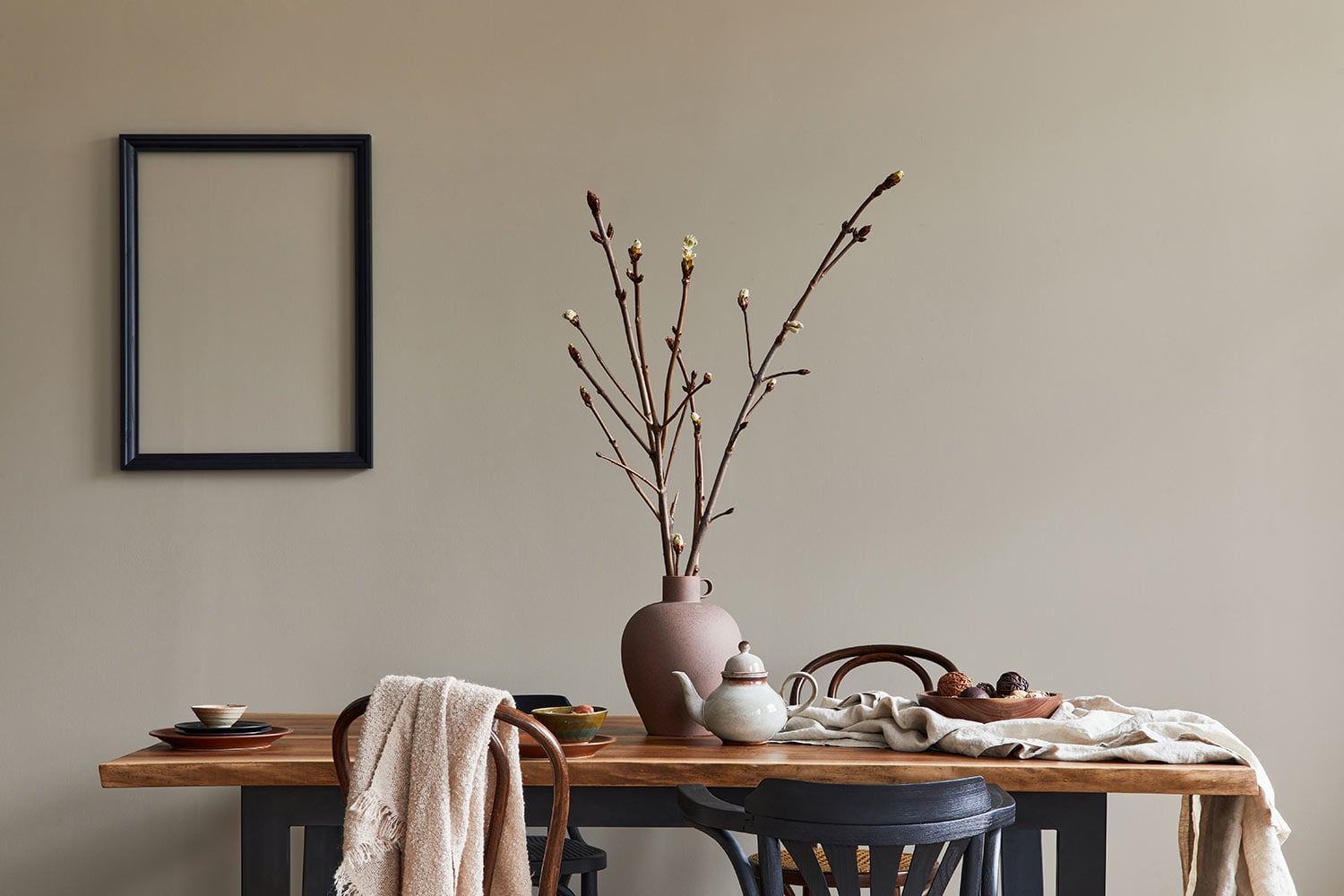
I bought a handmade ceramic bowl from a small pottery stall two summers ago.
It has a slightly uneven rim, a small thumbprint dent near the base, and it’s still my favorite object in the kitchen.
A mass-produced version would have cost a third of the price and looked flawless. I’d still pick the uneven one.
That’s really the whole case for handmade home accessories, and here’s the fuller picture behind it.
What Counts as “Handmade” Home Decor
Handmade means a person, not a machine, did the primary shaping, forming, or assembly work.
Pottery thrown on a wheel. Woven baskets. Hand-carved wood bowls. Hand-blown glass. Embroidered textiles.
Some pieces use tools, a potter’s wheel or a loom, but the skill and decisions still come from a person’s hands, not automated machinery.
That’s different from “handmade-style” mass production, where a machine replicates a handmade look at scale, which is common and worth watching for.
Why Handmade Pieces Actually Feel Different
Every handmade object carries small variations, since no two pieces come out identical.
That’s not a flaw. It’s the actual signature of the process, and it’s exactly what a mold or a machine can’t replicate.
I’ve noticed this most with ceramics specifically. A machine-pressed bowl is technically more “perfect,” but it also feels a little characterless sitting next to something with an obvious human hand behind it.
There’s also a real story behind most handmade pieces, a maker, a technique, sometimes a specific regional craft tradition, which gives the object meaning beyond just decoration.
Categories Worth Buying Handmade
Ceramics and pottery. Bowls, vases, and mugs show craftsmanship clearly, and the variation between pieces is part of the appeal rather than a downside.
Textiles. Handwoven throws, hand-embroidered pillow covers, and block-printed fabric carry texture and detail that machine printing genuinely can’t match.
Woodwork. Hand-carved bowls, cutting boards, and small furniture pieces often use techniques passed down through specific regional traditions.
Glasswork. Hand-blown glass vases and lighting fixtures have subtle imperfections, tiny bubbles or slight asymmetry, that mark them as genuinely handmade rather than mold-cast.
Baskets and woven storage. Hand-woven natural fiber baskets add texture that plastic or machine-made storage simply can’t replicate.
How to Tell Genuinely Handmade From Marketing Language
Retailers use “handmade” loosely sometimes, so it helps to know what to actually check.
Look for slight irregularities. A perfectly uniform “handmade” set of six identical bowls is a warning sign, since true handmade pieces vary at least a little from one to the next.
Check if the maker is named. Legitimate handmade sellers, especially on marketplaces like Etsy, usually share who made it and often how.
Ask about the process if it’s not listed. A real maker can describe their technique specifically. A reseller of mass-produced goods usually can’t.
Compare the price to obviously factory-made versions. Genuinely handmade pieces almost always cost more, since they take real time to produce. Suspiciously cheap “handmade” items are worth questioning.
Where to Actually Buy Handmade Home Accessories
Etsy. Still the largest marketplace for genuinely handmade goods, though it’s worth checking seller profiles carefully since resellers exist there too.
Local craft fairs and markets. Buying directly from the maker is the most reliable way to confirm authenticity, and you often get the story behind the piece firsthand.
Artisan cooperatives and fair trade shops. Organizations like Ten Thousand Villages work directly with craftspeople, often in developing regions, and typically verify the handmade process themselves.
Small independent studios. Many potters, weavers, and woodworkers sell directly through their own websites or Instagram, cutting out the marketplace fees entirely.
Is Handmade Always Worth the Higher Price
Not automatically, and it’s fair to weigh this honestly rather than assume handmade always wins.
The extra cost reflects real time and skill, which is a legitimate reason to pay more if the craftsmanship matters to you.
But not every handmade piece is well made. Skill level varies enormously between makers, so price alone isn’t a guarantee of quality.
The better approach is judging the specific piece and maker, not assuming “handmade” automatically means “worth it” across the board.
Final Thoughts
Handmade home accessories bring something mass production can’t fully replicate: real variation, visible skill, and a maker behind the object.
They’re not always the cheaper choice, and they’re not automatically higher quality either.
Buy from sellers who can actually describe their process, expect some imperfection as part of the appeal, and treat that as a feature rather than a flaw.
Frequently Asked Questions
How can I tell if something labeled “handmade” actually is? Look for slight variation between similar pieces, check whether the maker is named, and ask about the specific technique used. A real maker can usually describe their process in detail.
Is handmade home decor always more expensive than mass-produced decor? Almost always, since handmade pieces take real time and skill to produce. Suspiciously cheap “handmade” items are worth questioning.
What are the best handmade home accessories to start with? Ceramics like bowls and mugs are an easy entry point, since the variation between pieces is easy to see and appreciate, and prices range widely depending on the maker.
Where is the safest place to buy genuinely handmade items online? Etsy remains the largest option, but check seller profiles carefully. Buying directly from a maker’s own website or at a craft fair is often more reliable.
Does handmade always mean better quality than machine-made? No. Skill level varies between makers, so handmade guarantees uniqueness and craftsmanship effort, not automatically higher durability or quality than every machine-made alternative.