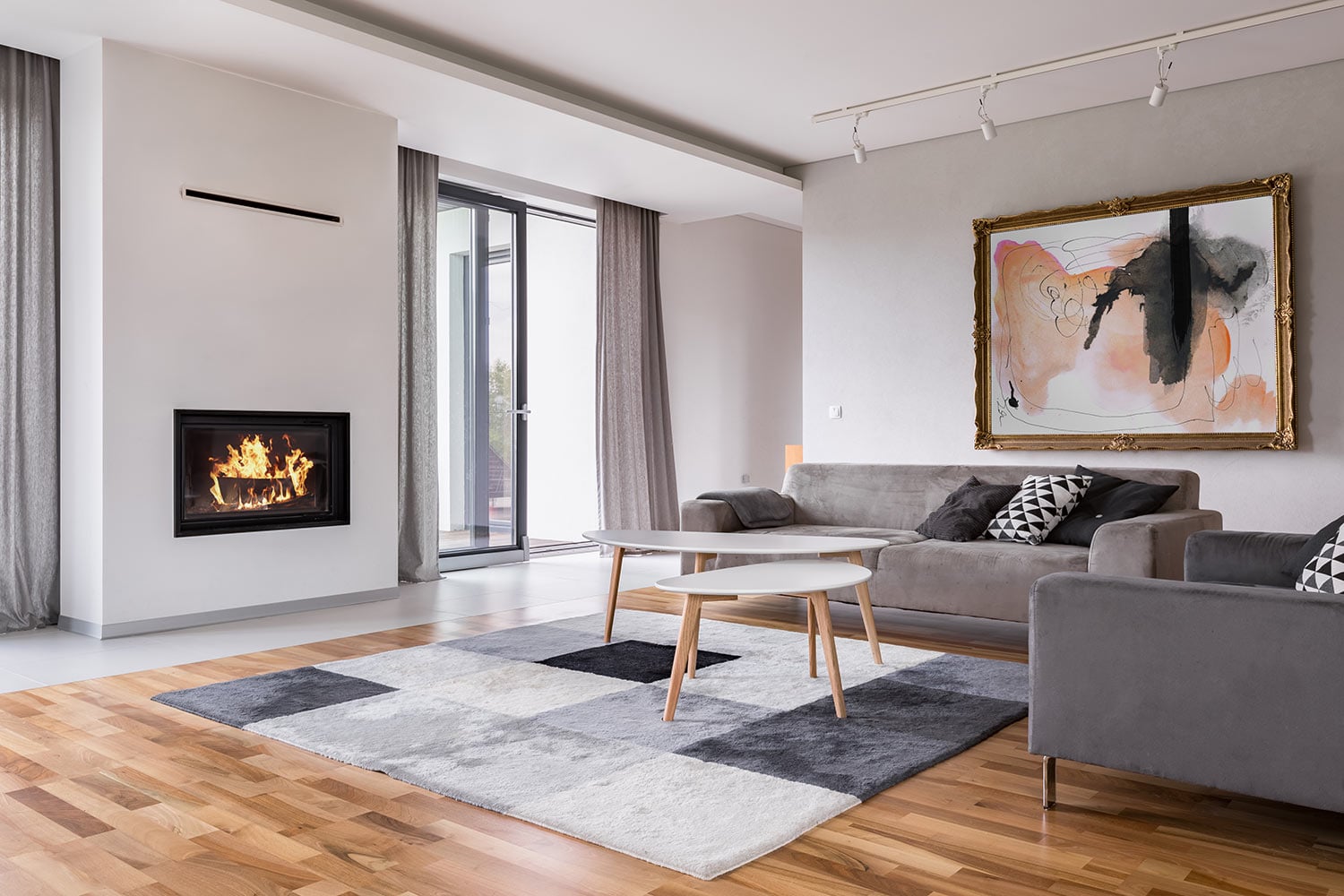
Two years ago I replaced our living room rug with what the store called an “eco-friendly” jute rug.
It felt good until I found out the shipping alone came from three continents away, and the dye process wasn’t exactly clean either.
That experience taught me something most eco decor articles skip: the label “eco-friendly” gets used loosely, and a lot of it is more marketing than substance.
Here’s what genuinely matters if you want your home decor choices to actually mean something.
What “Eco Friendly Home Decor” Really Means
Eco-friendly decor means pieces made, sourced, and disposed of with lower environmental impact than the conventional alternative.
That covers several things at once. The raw material. How far it traveled. How it was manufactured. How long it lasts. What happens to it when you’re done with it.
A single “sustainable” material claim on a label doesn’t automatically cover all five. That’s exactly where a lot of greenwashing hides.
The Materials Actually Worth Looking For
Reclaimed wood. Furniture made from salvaged wood, old barns, shipping pallets, demolished buildings, skips new deforestation entirely.
Bamboo. Grows back in three to five years compared to decades for hardwood trees, which makes it one of the fastest renewable materials available.
Organic cotton and linen. Grown without synthetic pesticides, which matters for both soil health and the water supply around farms.
Recycled glass and metal. Turning existing material into new decor uses far less energy than mining or manufacturing from scratch.
Cork. Harvested from the bark of living trees without cutting them down, so the tree keeps growing and regenerating bark over decades.
Materials That Sound Green But Often Aren’t
Bamboo blends. Pure bamboo is genuinely sustainable, but bamboo processed into rayon or viscose involves heavy chemical treatment that undercuts the eco claim.
“Vegan leather.” Often just plastic, specifically PVC or polyurethane, which isn’t biodegradable and comes from petroleum, despite the friendlier-sounding name.
Anything labeled “natural” with no further detail. Natural doesn’t mean sustainable. Cotton is natural and also one of the most water-intensive crops grown.
I learned to actually read past the front-of-label word and check what the material is made from before trusting the eco claim.
Where Eco Decor Makes the Biggest Real Difference
Not every purchase carries equal environmental weight, so it helps to prioritize.
Big furniture pieces matter most. A sofa or bed frame has far more material and manufacturing footprint than a candle or a throw pillow, so getting this right counts for more.
Buying less, but better, beats buying a lot of “eco” small items. A cheap eco-labeled trinket still required manufacturing and shipping, even if the material itself was sustainable.
Secondhand almost always beats new, regardless of material. A vintage wood dresser bought secondhand has a smaller footprint than a brand-new bamboo one, since no new manufacturing happened at all.
Practical Ways to Decorate More Sustainably
Shop secondhand and vintage first. Facebook Marketplace, estate sales, and vintage furniture shops keep existing pieces in use instead of adding new manufacturing demand.
Choose quality over quantity. A well-built piece that lasts fifteen years beats three cheap replacements over that same period, even if each individual cheap piece claims to be eco-friendly.
Look for local makers when buying new. Shorter shipping distances cut a real, measurable chunk of the carbon footprint that often gets ignored in eco marketing.
Ask what happens at end of life. A piece that can be repaired, reupholstered, or recycled is more sustainable long-term than one destined for landfill in a decade.
Is Eco Friendly Decor More Expensive
Sometimes, but not always, and it’s worth being upfront about that instead of pretending otherwise.
Genuinely sustainable new furniture, reclaimed wood or FSC-certified pieces especially, often costs more upfront due to sourcing and labor.
Secondhand and vintage pieces, on the other hand, are frequently cheaper than buying new, while also being more sustainable.
The most budget-friendly eco decor strategy is usually buying less and buying secondhand, not necessarily buying “green-labeled” new products.
Final Thoughts
Eco-friendly home decor isn’t about chasing every product with a green leaf on the label.
It’s about asking where something came from, how long it will last, and what happens when you’re done with it.
Prioritize big furniture purchases, lean toward secondhand and reclaimed materials, and treat vague “natural” or “eco” labels with a healthy amount of skepticism.
Frequently Asked Questions
What is the most eco-friendly material for home decor? Reclaimed wood and cork are among the most genuinely sustainable, since reclaimed wood avoids new deforestation and cork is harvested without cutting down the tree.
Is bamboo furniture always eco-friendly? Not always. Raw bamboo is sustainable, but bamboo processed into rayon or viscose fabric involves heavy chemical treatment that reduces its environmental benefit.
Is buying secondhand furniture more eco-friendly than buying new sustainable furniture? Generally yes. Secondhand furniture requires no new manufacturing at all, which usually gives it a smaller environmental footprint than even genuinely sustainable new pieces.
Is vegan leather actually eco-friendly? Often not. Most vegan leather is made from PVC or polyurethane, both petroleum-based plastics that don’t biodegrade, despite sounding more sustainable than animal leather.
Does eco-friendly home decor cost more? Sometimes, especially for new reclaimed or certified sustainable furniture. Secondhand and vintage pieces are often both cheaper and more sustainable at the same time.