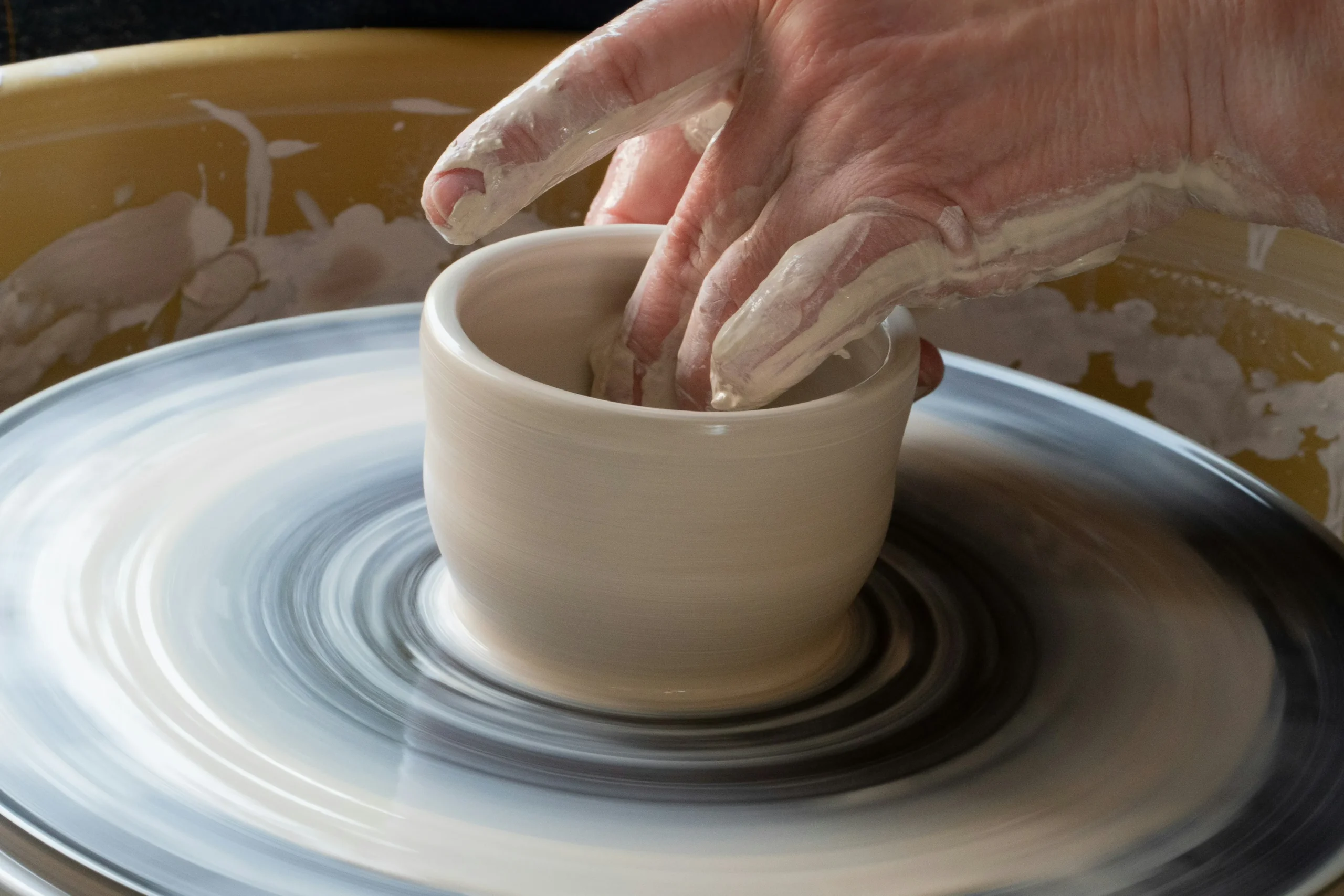
There is a bowl sitting on my kitchen counter that I picked up from a potter at a small outdoor market about three years ago. It is not perfectly round. The glaze has a subtle variation on one side where the color deepened during firing in a way the potter told me she never fully controls. Every time I reach for it the light catches it slightly differently depending on the time of day.
Nothing mass produced I own does that.
That is the thing about handmade objects that is almost impossible to explain to someone who has not yet lived with one for a while. The slight imperfection is not a defect. It is a record. Evidence that a person sat with this thing while it was being made and made decisions throughout the process that left their mark on the final result. Rooms with artisan pieces in them feel different from rooms without them and most people feel that difference immediately even when they cannot say what caused it.
What Artisan Actually Means
The word gets used loosely now. Large retailers apply it to items with a hand finished detail on an otherwise machine produced object and the line between genuinely handmade and factory produced with artisan branding has gotten blurry enough to be worth paying attention to.
Real artisan home decor means objects where human hands were central to the making. A potter throwing clay on a wheel. A weaver working thread through a handloom. A woodworker cutting and joining solid timber without machines doing the meaningful work. A glassblower shaping molten glass through breath and physical movement. The human involvement is not a finishing touch applied at the end. It is the whole process.
Once you know what to look for the markers are usually visible. Slight variation between pieces made in the same style. Tool marks left in the surface. Glaze that moved and pooled differently across different areas of the same ceramic. Weaving where you can see the individual threads and the slight variation in their tension. None of this is carelessness. It is the record of how the object came to exist.
Why a Handmade Piece Reads Differently in a Room
Designers who work across a range of budgets and styles keep coming back to the same observation. A room can be beautifully put together with quality mass produced furniture and still feel slightly hollow. Bring in a few genuinely handmade pieces and something shifts. The room develops a quality that visitors feel before they can name it.
Some of this comes from the materials themselves. Artisan work tends to use natural materials in their less processed forms. Raw edge wood. Unglazed terracotta. Undyed linen. These materials interact with light and touch in ways that engineered alternatives simply do not. They have a presence.
Some of it comes from the natural variation in scale and weight that handmade production produces. When a shelf holds a collection of handthrown pots they create a visual rhythm because no two are exactly alike. A shelf of identical factory pots, even attractive ones, creates sameness instead. Your eye moves differently across the two.
And some of it is something harder to explain but worth naming. Where a machine executes a pattern identically every single time, a craftsperson makes adjustments throughout the making. Those adjustments leave traces in the finished object that give it a kind of aliveness that mechanical production cannot replicate regardless of how sophisticated the manufacturing becomes.
Ceramics and Pottery
This is where most people start and for good reason. Handthrown bowls, mugs, vases, plates, and platters are made by potters working at almost every price point, from people selling at weekend markets to established studio ceramicists whose work sits alongside fine art.
The particular beauty of starting with ceramics is that functional pieces justify themselves through use rather than through display. A handmade mug used every morning earns its place in a way a purely decorative piece has to work harder for. A handthrown serving bowl used regularly at dinner becomes part of the memory of those meals in a way that a factory bowl simply does not.
When you are looking at ceramic pieces the things worth paying attention to are the weight and how the glaze sits on the surface. Genuine handthrown work has a bottom that was trimmed by hand and a weight distribution that feels different from slip cast production ceramics. The glaze on a handmade piece tends to have depth and variation. On a factory piece it tends to be perfectly even in a way that starts to look flat once you have spent time with the real thing.
Woven Textiles
Handwoven throws, cushion covers, table runners, and rugs bring texture into a room that machine produced textiles rarely achieve. The variation in thread tension that comes from hand weaving creates a surface that catches light differently across its face and develops a quality with washing and use that is genuinely appealing rather than simply worn.
Natural fibers are almost always the foundation. Wool, linen, cotton, and jute are what artisan weavers work with and the way these fibers age over time is part of the point rather than a problem to manage. A handwoven linen throw that has been used and washed for two years looks better than it did the day it arrived. That is a relatively rare quality in any textile.
In a room context woven textiles are one of the highest return artisan investments available because they cover large surfaces and therefore have an outsized effect on how the space reads overall. A handwoven rug changes a room more dramatically than most furniture choices.
Solid Wood and Woodwork
Hand worked solid wood objects carry a presence that veneered or engineered wood furniture does not have. A hand carved wooden bowl. A cutting board made from a single piece of end grain timber. A small stool joined without hardware. These objects have weight and permanence that announces itself without requiring explanation.
Wood develops character with age and use in ways that make well chosen artisan wooden pieces genuine long term commitments rather than purchases you replace every few years. The surface of a wooden bowl used regularly deepens and smooths with oil and handling. The grain becomes more defined. The object becomes more itself over time rather than showing decline.
Basketry and Natural Fiber Vessels
Handwoven baskets, storage vessels, and trays made from natural materials bring organic texture into spaces that otherwise rely heavily on hard surfaces. Seagrass, rattan, bamboo, and willow all produce objects with a natural irregularity and warmth that machine produced equivalents cannot convincingly replicate.
These pieces are also among the most practical in artisan home decor. A handwoven storage basket, a rattan tray on a coffee table, a woven wall hanging used as a soft focal point, all earn their place through daily usefulness rather than requiring dedicated display space. They do real work in a room while looking genuinely good doing it.
Building a Collection Without Overthinking It
The most common mistake people make when they start incorporating artisan pieces into a home is trying to create a coherent collection too quickly. The result tends to be a room that looks deliberately curated in a self-conscious way rather than accumulated genuinely over time.
Artisan home decor works best when it arrives gradually. One potter whose work you genuinely respond to. One weaver whose textiles suit the light in your living room. One woodworker whose cutting board you use every single day. A collection built this way develops a visual coherence that comes from consistent personal taste rather than from a design scheme imposed from a mood board.
It also helps to let artisan pieces sit alongside simpler less expensive objects rather than trying to make every surface in the room handmade. A handthrown vase on an otherwise simple shelf stands out because of the contrast around it. Surrounded only by other carefully chosen artisan pieces it becomes harder to see any of them properly.
Where to Find Genuine Work
Local craft markets and pottery fairs remain the most reliable source for genuine handmade work at accessible prices. Buying directly from the maker means you can ask about materials and process, see multiple pieces side by side rather than a single photographed example, and begin a relationship with makers whose work you return to as your collection develops.
Online platforms dedicated to handmade goods connect buyers with makers globally. The key when buying online is to look for makers who show their process clearly, display multiple views of individual pieces including the bottom and interior, and whose product photos show the kind of natural variation that confirms handmade production. If every piece in a listing looks completely identical that is worth questioning.
Studio open days in larger cities offer another opportunity to see work in person before committing, which is consistently the best approach given how much scale and material quality matters to whether a piece will actually work in your specific space.
The Honest Case for It
Rooms with handmade objects in them feel inhabited in a way that rooms with only mass produced pieces rarely do. The objects carry the decisions and the skill of the people who made them and that presence registers even when a visitor could not explain exactly what they are responding to.
Building a home around artisan pieces is not about spending more than you can afford or following a particular aesthetic trend. It is about choosing objects that were made by people rather than produced by machines and noticing the difference that makes to how a space feels to live in over years rather than weeks.
Start with one piece from a maker whose work genuinely interests you. Use it if it is functional. Put it somewhere you will actually see it every day. Notice how it changes with light and with time. That experience makes the case more clearly than any article can.