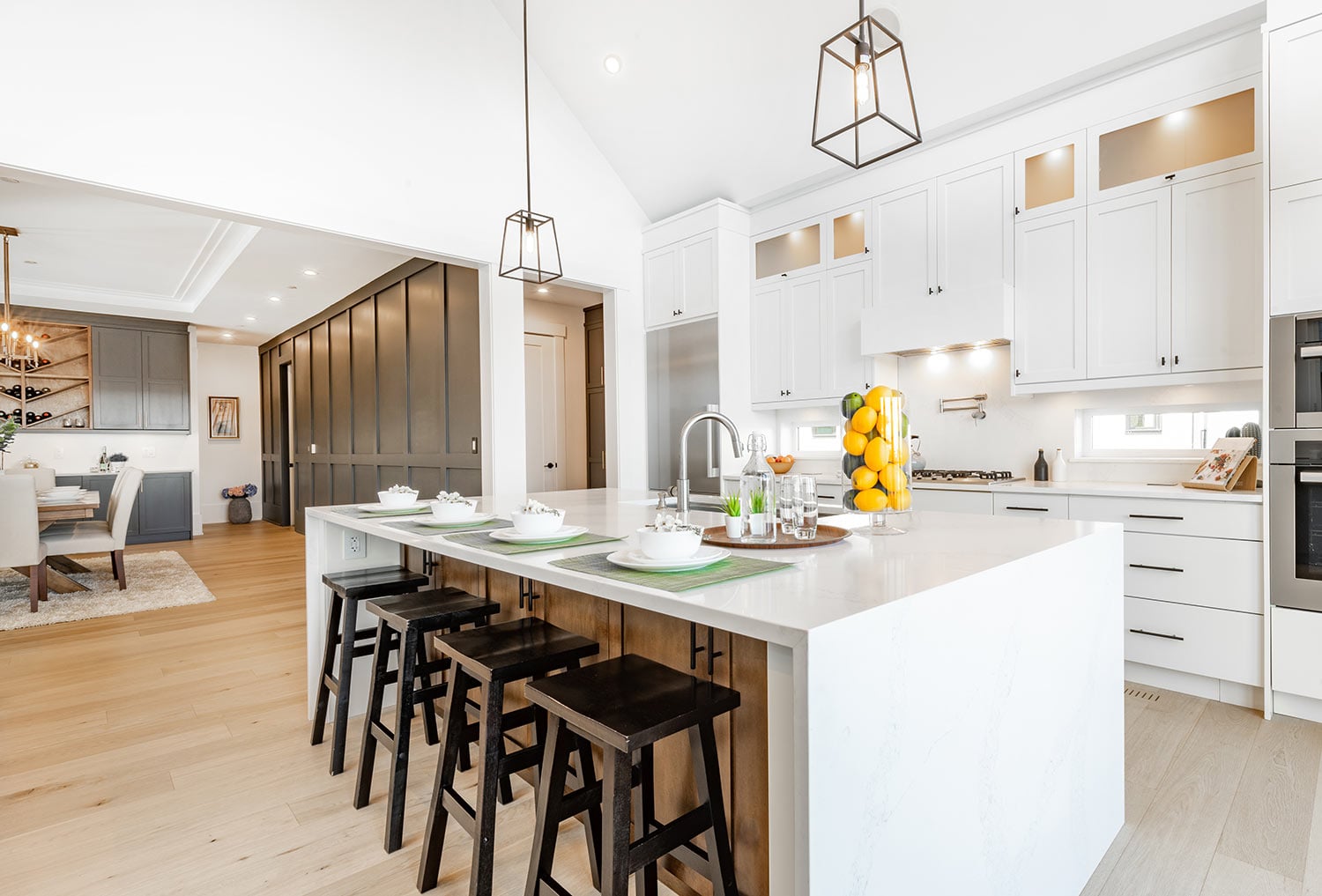
I grew up in a house with almost no wood in it. White walls, tiled floors, glass and metal wherever possible. My parents had very specific ideas about what modern looked like and wood was not part of it. It was not until I moved into my own place in my mid-twenties and started making my own decorating decisions that I understood what had been missing from every room I grew up in.
Warmth. That is the word that comes up constantly when people try to describe what wood does to a space. But warmth is one of those words that gets used so often it stops meaning anything specific. What wood actually does, more precisely, is give a room a physical anchor. Something that exists in relation to time and nature in a way that metal, glass, and synthetic materials simply do not. A wooden surface carries the history of the tree it came from in its grain. That history is visible and it registers in how a room feels even when nobody in the room could explain exactly why.
Why Wood Works in Interiors in a Way Nothing Else Fully Replicates
Every interior designer who works seriously with natural materials comes back to the same observation. Wood is the one material that works in almost any room regardless of the overall style direction. A piece of solid oak sits comfortably in a traditional farmhouse interior and in a spare contemporary apartment without requiring the surrounding space to change dramatically to accommodate it.
The reason is that wood is not a style. It is a material with properties that happen to be visually and tactilely compatible with an enormous range of other materials and color palettes. The warm brown tones of walnut sit beside cool grey walls without conflict. The pale grain of ash or beech works in a Scandinavian influenced space and in a warm Mediterranean one. The rough texture of reclaimed timber brings character to a polished urban interior that would otherwise feel slightly cold.
This versatility comes from the fact that wood is genuinely natural rather than styled to look natural. It does not need to be designed into a room the way a deliberately rustic piece does. It just belongs, because it comes from the same world that human beings come from, and spaces with natural materials in them feel more like places people were meant to inhabit.
Solid Wood Versus Veneered and Engineered Wood
This distinction matters more than most buying guides suggest and it is worth being clear about before any purchasing decision.
Solid wood is cut from a single piece of timber. The grain runs through the entire thickness of the piece. It can be sanded and refinished multiple times over the course of its life. It develops a patina with age and use that makes it more beautiful over decades rather than less. A solid wood dining table bought thoughtfully can outlast the house it sits in.
Veneered wood uses a thin layer of real wood over an engineered core, typically MDF or particleboard. It looks like solid wood on the surface and in photographs but does not age the same way. It cannot be refinished if the surface is damaged and the edges reveal the composite core underneath. For pieces that will not take heavy daily use it is a reasonable option at a lower price point. For anything that matters, a dining table, a desk, a sideboard, solid wood is worth the additional cost.
Engineered wood and wood effect finishes printed or applied to synthetic surfaces are the lowest tier and the one most worth being honest about. They can look convincing in a showroom and in product photography but they do not carry the material presence of real wood in a room and they do not age in any interesting way. They simply decline. If budget is the constraint, one genuine solid wood piece chosen carefully will do more for a room than three engineered alternatives.
The Wood Species Worth Knowing
The species of wood matters to how a piece will read in a room and how it will age over time. A few worth understanding specifically.
Oak is the most widely used wood in home decor and for good reason. It is hardwearing, works in almost any interior context, and develops a beautiful warm tone with age. Light oak reads as Scandinavian and contemporary. Darker aged oak reads as more traditional and substantial. Both are genuinely beautiful and both age well.
Walnut sits at the warmer and richer end of the wood spectrum. Its deep brown tones with purple and grey undertones make it the most visually striking of the commonly used furniture woods. It works particularly well in rooms with warm neutral color palettes and in spaces where you want the wood itself to make a statement rather than recede into the background.
Ash and beech are lighter in color than oak and tend toward a pale, almost blonde tone that works beautifully in rooms with a Scandinavian or Japanese influenced aesthetic. They are also among the hardest domestic timber species which makes them excellent choices for surfaces that take heavy use.
Reclaimed and salvage timber deserves a specific mention because it brings something that newly milled wood cannot. Marks from previous use, nail holes, variation in surface texture, color that has developed over decades of exposure to light. A reclaimed wood shelf or table carries a visible history that new wood simply does not have, and that history registers in a room in a way that is difficult to fake convincingly.
Where Wooden Pieces Make the Most Difference
In the Living Room
The coffee table is the piece of wooden home decor that most directly affects how a living room reads. It sits at the center of the room, is viewed from multiple angles, and gets touched and used constantly. A solid wood coffee table, even a simple one, grounds a living room in a way that glass and metal alternatives do not. The grain becomes a focal point in itself and the surface develops a character with use that improves rather than deteriorates over time.
Wooden side tables, shelving, and media units all contribute to the material warmth of a living room but the coffee table is where to prioritize quality if budget requires a choice.
In the Kitchen
The kitchen is where wooden home decor earns its place most clearly through function. Solid wood cutting boards, wooden utensil holders, open shelving in timber, a butcher block section of countertop, all of these bring warmth to a space that is otherwise dominated by hard, reflective surfaces.
A wooden bowl used for fruit on a kitchen counter does something for that surface that a ceramic or metal bowl does not. It introduces a material that is neither cold nor clinical and the visual effect is immediate and significant.
In the Bedroom
Wooden bedroom furniture, particularly bed frames and beside tables in solid timber, brings a calm and grounded quality to a sleeping space that works across every color palette and every aesthetic direction. The grain is something to look at when you first wake up and last thing before sleep in a way that upholstered or painted furniture is not.
Smaller wooden accessories in a bedroom, a carved wooden tray for holding daily items, a wooden lamp base, a simple timber shelf for books, all contribute to the material warmth of the space without requiring large investment.
In the Home Office
A solid wood desk is one of the highest return investments in a home office. You spend hours at it daily, your hands are on its surface constantly, and the material quality of the surface affects how the whole space feels to work in. A solid wood desk in oak or walnut makes a home office feel like a considered workspace rather than a functional afterthought and the difference to how you feel sitting at it daily is real rather than imagined.
Caring for Wooden Pieces
Wood requires a small amount of care that synthetic materials do not and it is worth knowing what that looks like practically before buying.
Solid wood should be kept away from direct heat sources and dramatic humidity changes, both of which cause timber to move in ways that can crack surfaces or open joints over time. A humidifier in dry winter conditions protects wooden furniture meaningfully.
Oil finished wood surfaces benefit from occasional treatment with a food safe oil, particularly surfaces that are touched frequently like dining tables and cutting boards. The oil feeds the wood and keeps the surface from drying out and cracking. This is a ten minute task done a few times a year rather than a demanding maintenance requirement.
Wax finished surfaces benefit from occasional rewaxing that restores the surface sheen and protects the wood from moisture. Again this is occasional rather than frequent and the result is a surface that genuinely improves over time rather than simply aging.
The Honest Reason to Choose Wood
Wooden home decor is not a trend in the sense that most interior design trends are. It does not have a peak year and a decline. It is a material that has been used in human homes since humans had homes and it continues to work because the properties that made it appealing then, warmth, durability, natural beauty, the way it changes with age, have not changed.
A solid wood piece bought thoughtfully is one of the few home decor purchases that genuinely appreciates in character over the years you own it. Everything else in a room tends to age. A good piece of wood tends to improve. That is a rare quality in any object and it is the most honest reason to choose it.